
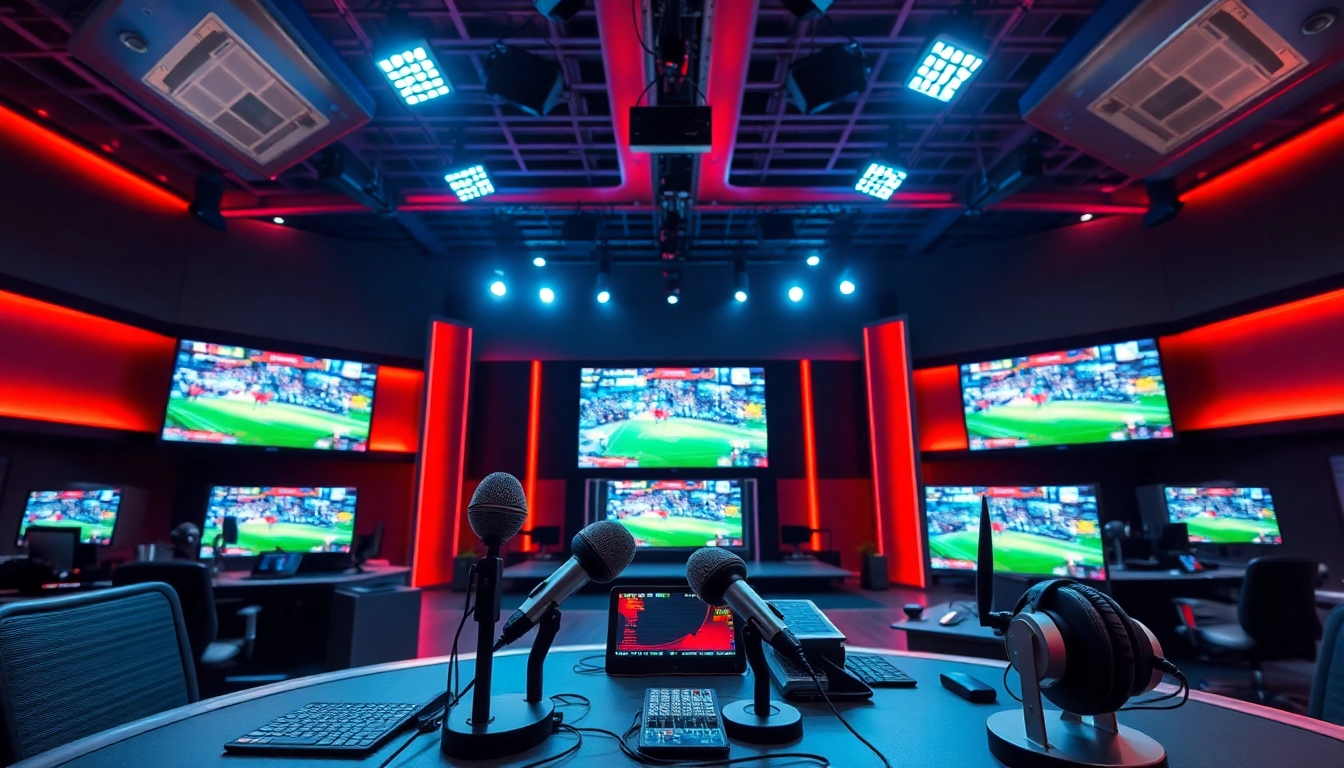
The Essentials of Sports Broadcasting
Understanding the Basics of Sports Broadcasting
At its core, Sports Broadcasting involves the real-time distribution of live sports events through various channels, including television, radio, and online platforms. This intricate process entails more than mere transmission; it encompasses the storytelling of live sports, where the excitement of the game is shared with audiences across different geographical locations. Broadcasting has evolved significantly from its early days, with advancements in technology and changes in viewer habits influencing how sports events are presented and consumed.
Key Roles in Sports Broadcasting
The world of sports broadcasting consists of a diverse range of professionals, each playing crucial roles that contribute to the viewing experience. Key roles include:
- Sports Commentators: These individuals provide live play-by-play commentary, enhancing the viewing experience with insights, storytelling, and analysis.
- Producers: They oversee the entire broadcast, making critical decisions about what will be shown, ensuring smooth transitions between segments, and keeping an eye on timing.
- Cameramen and Technical Crew: Responsible for capturing the action and ensuring that the audience gets the best visual experience.
- Analysts: Experts who provide post-game analysis, breaking down plays and key moments to give deeper insights into the sport.
- Graphics Teams: They create and manage visual content like scoreboards and player statistics that appear on-screen during the broadcast.
The Technology Behind Sports Broadcasting
Sports broadcasting relies heavily on advanced technology for delivering high-quality content. This includes:
- High-Definition Cameras: These cameras capture every detail of the game, allowing for a clearer and more immersive experience.
- Streaming Platforms: Many broadcasters now utilize digital platforms, providing audiences with on-demand access to sports content wherever they are.
- Augmented and Virtual Reality: Innovations in AR and VR are changing how viewers experience sports, offering interactive elements and immersive game perspectives.
- Remote Production Systems: These systems allow for broadcasts to be produced from remote locations without requiring a large on-site crew.
Creating Compelling Sports Content
Crafting Engaging Narratives
Crafting compelling narratives is vital in engaging audiences. Successful sports broadcasts do not merely relay the facts; they tell stories about players, teams, rivalries, and the stakes involved. Techniques to enhance storytelling include:
- Character Focus: Highlighting individual athletes’ journeys can create emotional connections with viewers.
- Historical Context: Providing background on teams’ and players’ histories adds depth and richness to the broadcast.
- Dramatic Stakes: Framing games as critical moments within larger narratives (playoffs, rivalries) enhances viewer investment.
Utilizing Visual Media Effectively
Visual elements are paramount in sports broadcasting. Above and beyond live footage, broadcasters must consider:
- Graphics and Overlays: Delivering real-time stats and information can augment the viewer’s understanding of the game.
- Instant Replay: Utilizing slow-motion or angle changes can clarify critical moments and enhance excitement.
- Camera Angles: Experimenting with innovative camera placements can provide unique perspectives, making the viewing experience more dynamic.
Best Practices for Live Commentary
Effective live commentary is a skill that can significantly enhance the viewer’s experience. Here are some best practices:
- Stay Informed: Commentators should have extensive knowledge of teams, players, and past performances to provide insightful commentary.
- Be Engaging: A lively speaking style, combined with emotional responses to key moments, can keep audiences glued to the screen.
- Encourage Interaction: Engaging with audiences through social media or on-screen polls can make viewers feel involved.
Audience Engagement Strategies in Sports Broadcasting
Connecting with Viewers on Social Media
Social media has revolutionized how sports broadcasters connect with audiences. Through platforms like Twitter, Instagram, and Facebook:
- Live Updates: Providing real-time updates enhances engagement during games.
- Behind-the-Scenes Content: Sharing exclusive interviews and behind-the-scenes photos creates a personal connection with fans.
- Fan Reactions and Polls: Encouraging fan interactivity, such as live polls and reactions, can stimulate viewer interaction.
Interactive Features for Audience Participation
Interactive features are increasingly becoming a part of the sports broadcasting experience. These features could include:
- Real-Time Voting: Allowing viewers to vote on player performance or game highlights can enhance audience engagement.
- Fantasy Sports Integration: Connecting broadcasts with fantasy leagues can appeal to audiences who partake in these activities.
- Live Q&A Sessions: Incorporating live question-and-answer segments can deepen the connection between broadcasters and their audience.
Measuring Engagement through Analytics
Analytics play a crucial role in understanding audience engagement. Key metrics include:
- Viewership Numbers: Understanding how many viewers are watching live vs. on-demand helps tailor future content.
- Social Media Interaction: Tracking likes, shares, and comments provides insight into content effectiveness.
- Viewer Retention Rates: Measuring how long viewers stay engaged can highlight areas for improvement in broadcasts.
Challenges in the Sports Broadcasting Industry
Navigating Regulatory Restrictions
The sports broadcasting industry faces several regulatory challenges, including:
- Compliance with Local Laws: Broadcasters must adhere to laws related to content, copyright, and privacy, which can vary widely by region.
- Licensing Fees: Acquiring the rights to broadcast certain sports can be costly, impacting budgets and programming choices.
- Content Exclusivity: Matches or events may be locked to specific broadcasters, creating competition for access rights.
Adapting to Changing Viewer Preferences
Viewer preferences are continually evolving, and staying attuned to these changes is vital. Challenges include:
- Shift to On-Demand Content: More viewers are choosing on-demand sports programming, necessitating adaptations in broadcasting strategies.
- Shortened Attention Spans: Keeping content concise and engaging is essential, particularly with younger audiences.
- Multimedia Consumption: Audiences expect rich multimedia experiences; broadcasters must adapt to integrate various formats.
Addressing Technical Issues During Broadcasts
Technical issues can disrupt broadcasts and diminish viewer experience. Common challenges include:
- Internet Reliability: With the rise of streaming, a stable internet connection is crucial for seamless broadcasts.
- Hardware Failures: Investing in high-quality equipment and having contingencies in place can minimize disruptions.
- Software Glitches: Regular testing and updates are necessary to reduce the likelihood of software-related issues during broadcasts.
Future Trends in Sports Broadcasting
The Rise of Streaming Platforms
Streaming platforms have transformed the landscape of sports broadcasting. Key trends include:
- Diverse Offerings: Many platforms are creating tailored experiences for niche sports, catering to underserved audiences.
- Subscription Models: Subscription-based services are allowing fans greater access to a wide range of sports programming without traditional cable restrictions.
- Global Reach: Streaming enables broadcasters to transcend geographical limitations, reaching international audiences.
Innovations in Augmented and Virtual Reality
AR and VR technologies are redefining how sports are consumed. Their potential includes:
- Immersive Experiences: Fans can feel as if they are part of the action, enhancing engagement and emotional connection.
- Interactive Viewing: Viewers may control cameras or angles, allowing for personalized experiences during live events.
- Training Simulations: Teams are beginning to use AR and VR for training purposes, which could be featured in broadcasts.
Personalized Viewing Experiences for Fans
The future of sports broadcasting is increasingly about personalization. Aspects include:
- Customizable Feeds: Broadcasters are offering options where viewers can select what stats, camera angles, and commentary they want.
- AI-Driven Recommendations: Algorithms will suggest games and content based on viewers’ previous preferences and behaviors.
- Fan-Driven Content: Engaging users to create and submit content for broadcasting can strengthen community ties.
FAQs
What is Sports Broadcasting?
Sports Broadcasting refers to the transmission of live sports events through various media, allowing people to watch or listen remotely.
How does Sports Broadcasting engage audiences?
It engages audiences by providing live commentary, interactive features, and rich visual content, making them feel part of the event.
What challenges does Sports Broadcasting face?
Key challenges include regulatory restrictions, keeping up with technology changes, and maintaining viewer retention amidst stiff competition.
What technologies are used in Sports Broadcasting?
Modern Sports Broadcasting utilizes various technologies including high-definition cameras, advanced editing software, and streaming platforms.
How is audience engagement measured in Sports Broadcasting?
Engagement is measured through analytics tools that track viewer numbers, interaction rates, and social media feedback.
About the Author